Welcome to our company

 Send Email
 Send Inquiry
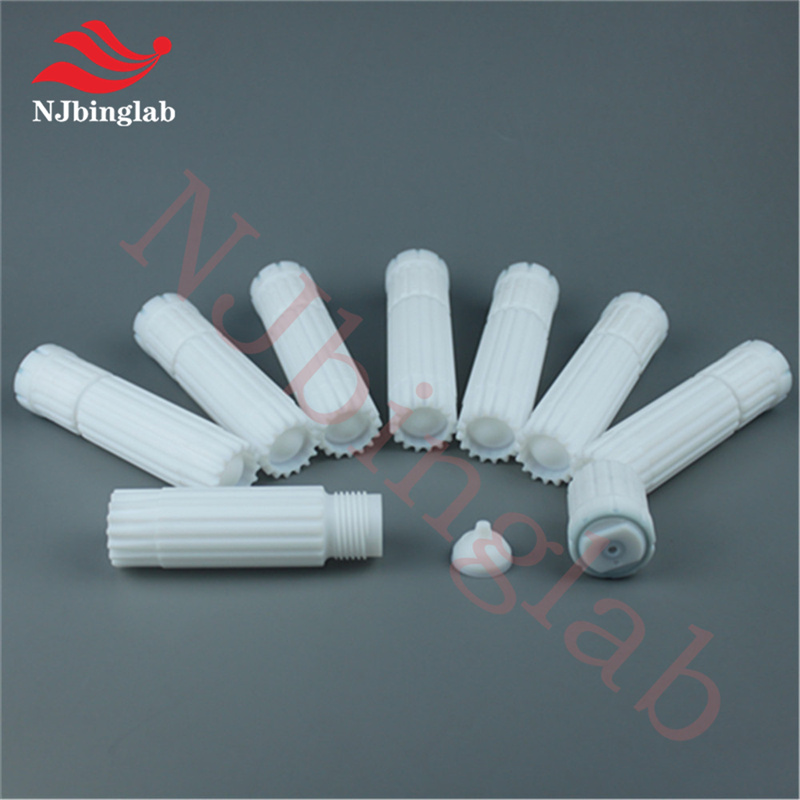
HVT50 microwave digestion vessels, for Anton Paar Multiwave
Price 234.0 USD ($)/ Piece
MOQ : 3 Pieces
HVT50 microwave digestion vessels, for Anton Paar Multiwave Specification
- Use
- Microwave acid digestion of samples for elemental analysis in Anton Paar Multiwave systems.
- Size
- Nominal digestion volume up to 50 mL per vessel.
- Feature
- Corrosion resistant
- Maximum Operating Pressure
- Up to 40 bar (580 psi).
- Weight (Empty Vessel)
- Approx. 500 g per vessel.
- Maximum Operating Temperature
- Up to 250C.
- Material (Outer Sleeve)
- PFA or fiber-reinforced plastic (as per Anton Paar standard).
- Safety Features
- Pressure-controlled, self-regulating vessel closure, venting capability for excess pressure.
- Max Sample Weight
- Up to 0.5 g per vessel (depending on sample matrix).
- Dimensions
- Exterior dimensions: height approx. 160 mm, diameter approx. 41 mm (indicative; may vary slightly by batch).
- Compatibility
- Designed specifically for Anton Paar Multiwave microwave digestion systems.
- Number of Vessels per Rotor
- Up to 16 vessels per rotor (exact quantity may vary by system configuration).
- Sealing System
- Mechanical, high-integrity seal with pressure release mechanism.
- Material (Inner Vessel)
- PTFE-TFM (Polytetrafluoroethylene-thermally modified).
- Typical Applications
- Digestion of environmental, food, biological, geological, and industrial samples for ICP, ICP-MS, or AAS analysis.
HVT50 microwave digestion vessels, for Anton Paar Multiwave Trade Information
- Minimum Order Quantity
- 3 Pieces
- Supply Ability
- 100 Pieces Per Month
- Delivery Time
- 7 Days
About HVT50 microwave digestion vessels, for Anton Paar Multiwave
NJbinglab Microwave Digestion Vessels
NJbinglab Microwave Digestion Vessels are designed for high-temperature and high-pressure digestion in inorganic, environmental, semiconductor, and materials laboratories. Made from high-purity PFA / TFM / PTFE, these vessels provide excellent chemical resistance, ultra-low background contamination, and reliable digestion performance.
Key Features
-
Rugged framed vessel for high temperature and high pressure applications
-
Replaceable PFA / TFM / PTFE liners for flexible digestion methods
-
Ultra-low metal background for trace analysis
-
Compatible with all mineral acids including HF, HNO, HCl, and HSO
-
Microwave-transparent materials for efficient energy transfer
-
Flat exterior design allows microwave digestion or hot plate heating
-
Open architecture for rapid cooling
Available Volumes
50ml, 56ml, 80ml, and custom sizes available
Compatible Microwave Digestion Systems
NJbinglab vessels and liners are designed as replacement solutions compatible with major microwave digestion systems, including:
-
CEM Corporation (MARS 5, MARS 6, MARS Xpress)
-
Milestone Srl (ETHOS series)
-
Anton Paar (Multiwave series)
-
Analytik Jena (TOPwave series)
-
PerkinElmer (Titan series)
-
Preekem Scientific Instruments (WX series)
-
Custom compatibility available upon request
NJbinglab offers high-purity materials, reliable performance, and cost-effective replacement solutions for microwave digestion applications.
Optimized for Multiwave Systems
HVT50 vessels are tailor-made for seamless integration with Anton Paar Multiwave microwave digestion platforms, supporting up to 16 vessels per rotor. Their precise manufacturing ensures consistent performance and maximum throughput for demanding multi-sample workflows in modern analytical laboratories.
Safety Meets Durability
Constructed with PTFE-TFM and reinforced with either PFA or specialty plastics, HVT50 vessels provide exceptional resistance to acids and thermal stress. The high-integrity mechanical seal and pressure-controlled closure system offer essential safety features, including reliable venting in case of excess pressure.
Versatile Application Range
Suitable for a wide array of sample types, including environmental, biological, food, geological, and industrial materials, these vessels facilitate efficient digestion for downstream elemental analysis using ICP, ICP-MS, or AAS techniques, ensuring accurate and reproducible results.
FAQ's of HVT50 microwave digestion vessels, for Anton Paar Multiwave:
Q: How do I safely operate HVT50 microwave digestion vessels in an Anton Paar Multiwave system?
A: To operate HVT50 vessels safely, always follow Anton Paar Multiwave system guidelines. Firmly secure the vessel lid using the mechanical high-integrity seal, ensuring the pressure release mechanism is unobstructed. Load up to 0.5 g of sample with the prescribed acid digestion volume (maximum 50 mL), and observe maximum temperature (250C) and pressure (40 bar) limits. After digestion, allow the vessel to cool before opening to ensure safe pressure release.Q: What types of samples can be digested using HVT50 vessels?
A: HVT50 vessels are suitable for digesting a variety of matrices, including environmental, food, biological, geological, and industrial samples. Typical applications involve sample preparation for elemental analysis using techniques such as ICP, ICP-MS, or AAS.Q: When should the vessel's pressure release mechanism be inspected or activated?
A: The pressure release mechanism is a critical safety feature designed to vent excess pressure if necessary. Inspect it prior to each use for signs of blockage or wear. It will activate automatically if internal pressure exceeds the vessel's safety threshold, preventing vessel damage or rupture.Q: Where should HVT50 vessels be sourced, and who can use them?
A: These vessels are designed, manufactured, and supplied primarily by Anton Paar and authorized exporters or suppliers in India and globally. They are intended for professional laboratory use by trained personnel familiar with microwave-assisted acid digestion procedures.Q: What is the process for cleaning and maintaining HVT50 digestion vessels?
A: After use, clean the vessel immediately with suitable solvents compatible with PTFE-TFM and PFA materials. Avoid abrasive tools, and thoroughly inspect the sealing surfaces and pressure mechanism for contamination or damage. Proper maintenance prolongs vessel life and preserves safety and performance.Q: How do HVT50 vessels benefit elemental analysis workflows?
A: HVT50 vessels provide reliable, consistent microwave digestion with advanced safety features and chemical resistance. This ensures efficient sample breakdown, minimal contamination, and accurate results for elemental analysis methods such as ICP, ICP-MS, and AAS.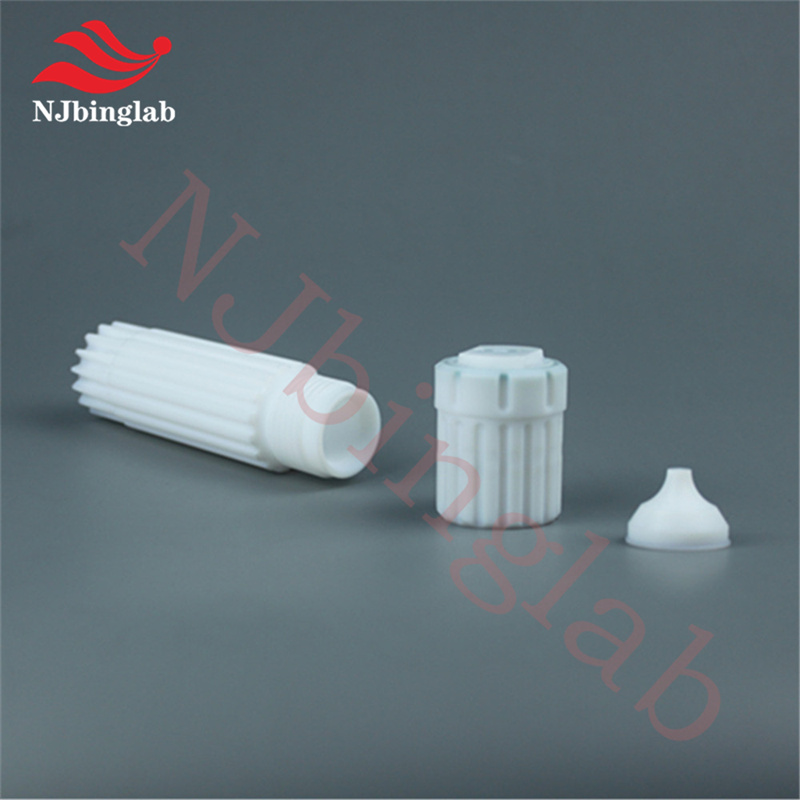
Tell us about your requirement

Price:
Quantity
Select Unit
- 50
- 100
- 200
- 250
- 500
- 1000+
Additional detail
Mobile number
Email

More Products in Clean Sample Preparation Accessories Category
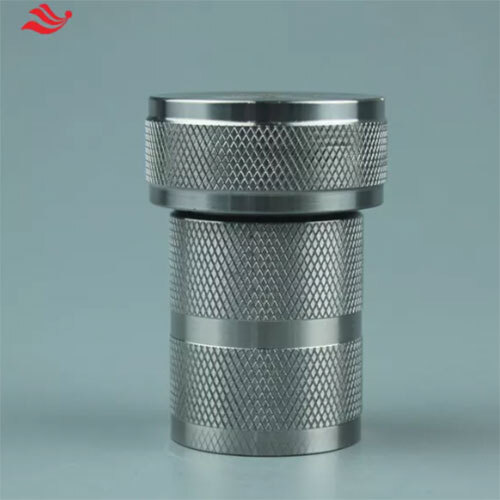
15ml Geological Pressure Vessel, PTFE liner+ 304SS outer
Price 67.0 USD ($) / Set
Minimum Order Quantity : 3 Sets
Advantage : Ensures uniform heating and complete digestion, minimizing contamination and sample loss
Feature : High pressure and temperature resistance, designed for safe and efficient sample decomposition
Size : 15ml
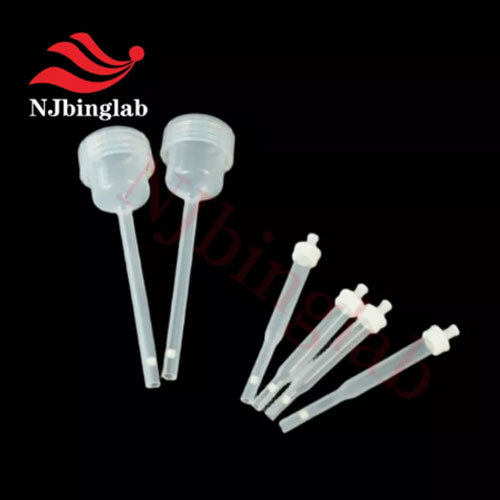
PFA Microcolumn with Movable PTFE frit
Price 95.0 USD ($) / Piece
Minimum Order Quantity : 3 Pieces
Advantage : Chemical inertness, high thermal stability, compatibility with aggressive acids, bases, and organic solvents.
Feature : Equipped with a movable sieve plate that allows flexible adjustment of column packing and flow distribution.
Size : Standard height 100 mm, inner diameter 18 mm. Custom sizes available upon request.
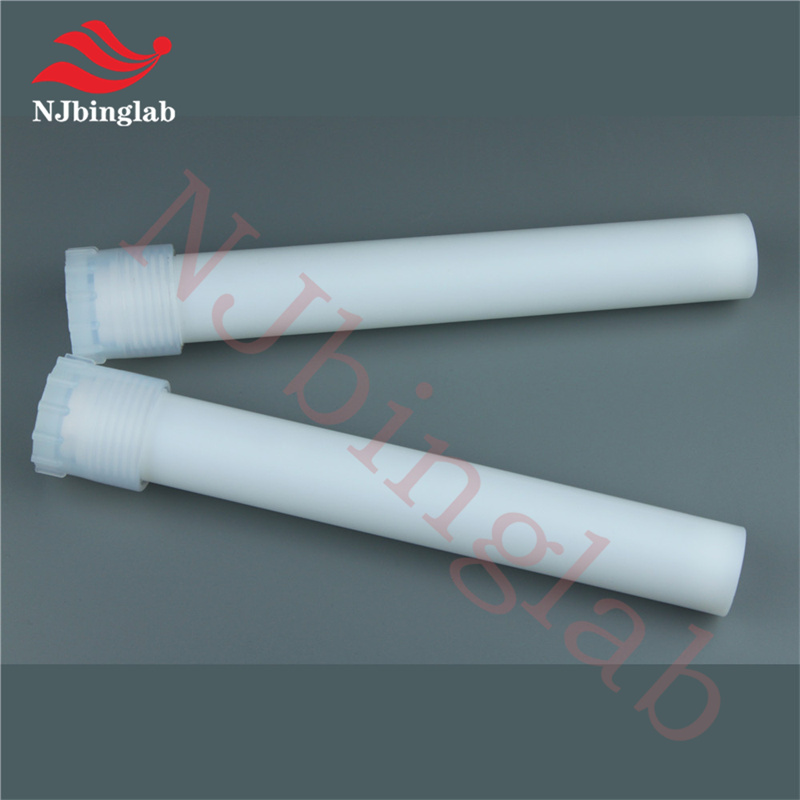
100ml TFM liner for CEM MARSXpress Plus, 212120
Price 295.0 USD ($) / Piece
Minimum Order Quantity : 3 Pieces
Advantage : No contamination
Feature : Corrosion resistant
Usage : Lab use
Size : 100 ml capacity.
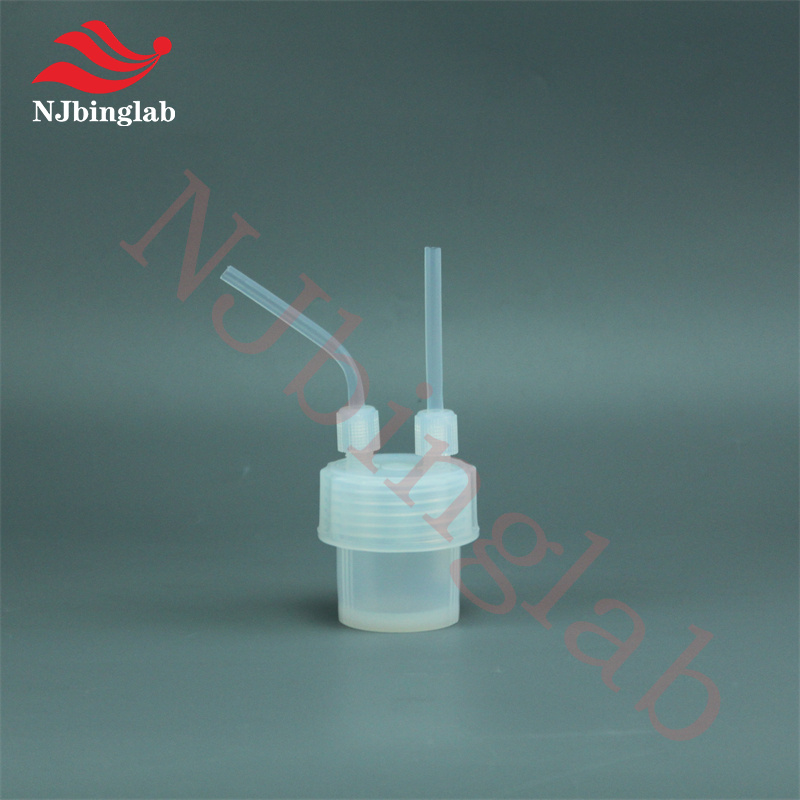
PFA Dual Neck Impingement Bottle 60ml, with 1/4" tube port
Price 100.0 USD ($) / Piece
Minimum Order Quantity : 3 Pieces
Advantage : No adsorption
Feature : Corrosion resistant
Usage : Lab use

Contact Details

- 301, Building 10, Baijiahui Innovation Community, Xuanwu District,Nanjing - 210042, Jiangsu, China
- Phone : 86--15805176994
- Ms Ross Guo (Manager)
- Mobile : +8615805176994
- Send Inquiry
 Send Inquiry
Nanjing Binzhenghong International Trade Co., Ltd.
All Rights Reserved.(Terms of Use)
Developed and Managed by Infocom Network Private Limited.
Developed and Managed by Infocom Network Private Limited.
 English
 Spanish
 French
 German
 Italian
 Chinese (Simplified)
 Japanese
 Korean
 Arabic
 Portuguese