Welcome to our company

 Send Email
 Send Inquiry
PFA 2-way valve, 10mm OD tube ports
Price 30.0 USD ($)/ Piece
MOQ : 3 Pieces
PFA 2-way valve, 10mm OD tube ports Specification
- Color
- Translucent
- Material
- PFA+PTFE
- Usage
- Lab use
- Application
- Flow control
- Feature
- Corrosion resistant
- Advantage
- No adsorption
PFA 2-way valve, 10mm OD tube ports Trade Information
- Minimum Order Quantity
- 3 Pieces
- Supply Ability
- 5000 Pieces Per Month
- Delivery Time
- 7 Days
About PFA 2-way valve, 10mm OD tube ports
Product Overview
PFA Valves are the critical control points in ultra-clean fluid systems. Unlike metal or standard plastic valves, the PFA body and internal components are completely non-reactive, making them the only choice for handling high-purity acids and etching chemicals. The naturally non-stick surface prevents particle buildup and "dead volume" issues, ensuring the highest level of system hygiene and consistent performance in both vacuum and pressurized applications.
Product Synergy & Workflow (Integrated Systems)
-
PFA Tubing: Seamlessly connects to valves via flare or compression fittings for airtight fluid transport.
-
PFA Dual-Neck Bottles: Integrated with PFA valves to control gas flow or liquid dispensing in closed-system reactions.
-
PFA Jars & Vials: Used as collection points in a valved manifold system for automated sample distribution.
-
Acid Purification Systems: Essential for directing the flow of purified acid from distillation units to storage containers.
Application Fields & Industries
-
Semiconductor Manufacturing: Precise control of chemical delivery systems for wafer cleaning and etching.
-
Analytical Chemistry: Used in automated sample preparation and digestion manifolds for ICP-MS/OES.
-
Pharmaceutical Processing: Handling of aggressive reagents and APIs under strict purity and temperature requirements.
-
Environmental Monitoring: Integral parts of automated gas sampling and liquid-liquid extraction equipment.
Exceptional Chemical Resistance
Constructed from PFA and PTFE, this 2-way valve stands up to harsh acids and solvents. Its corrosion-resistant design safeguards the valve's function over extended use, making it ideal for demanding laboratory environments where chemical compatibility is essential for safety and sample integrity.
Reliable Flow Control
The valve's 2-way mechanism and 10mm OD tube ports provide precise, smooth flow regulation. Its design reduces dead volume and prevents sample loss-features crucial for applications requiring exact dosing and transfer between various laboratory instruments and setups.
FAQ's of PFA 2-way valve, 10mm OD tube ports:
Q: How does the PFA 2-way valve prevent adsorption during laboratory use?
A: The valve is manufactured from PFA and PTFE, materials which possess extremely low surface energy, thereby preventing fluids or reagents from adsorbing onto internal surfaces. This ensures sample purity and reduces the risk of cross-contamination in sensitive lab processes.Q: What are the primary benefits of using a PFA 2-way valve in flow control applications?
A: Key advantages include excellent corrosion resistance, minimal adsorption, and translucent construction for easy flow monitoring. These features guarantee consistent performance, safety, and compatibility with a broad range of aggressive chemicals frequently used in laboratories.Q: When is it ideal to use this valve in a laboratory setting?
A: This valve is ideally used during processes that require precise flow regulation of corrosive or high-purity liquids, such as chemical analysis, sample distribution, or reagent mixing in research laboratories and industrial applications.Q: Where can this valve be installed within a lab setup?
A: It can be installed in fluid transfer lines, analytical instrumentation, reaction setups, and anywhere direct control over the on/off flow of chemicals or solvents is required. Its 10mm OD tube ports make integration with standard lab tubing straightforward.Q: What is the process for maintaining the PFA 2-way valve to ensure long-term reliability?
A: Routine inspection for residue or blockages, occasional flushing with a compatible solvent, and regular checking of seals will help maintain optimal valve condition. Thanks to its corrosion-resistant materials, maintenance requirements are minimal compared to metal or standard plastic valves.Q: How does the valve's translucent color enhance laboratory workflows?
A: The translucent nature of the valve allows users to visually verify fluid flow and detect blockages or bubbles instantly, promoting accurate operation and reducing the risk of unnoticed obstructions.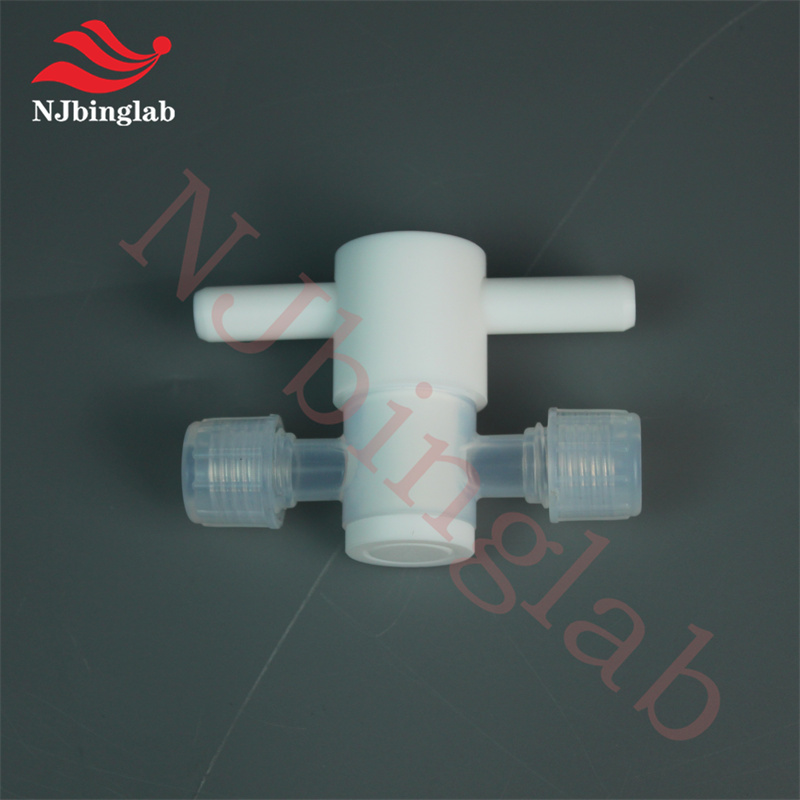
Tell us about your requirement

Price:
Quantity
Select Unit
- 50
- 100
- 200
- 250
- 500
- 1000+
Additional detail
Mobile number
Email

More Products in Lab Valves And Fittings Category
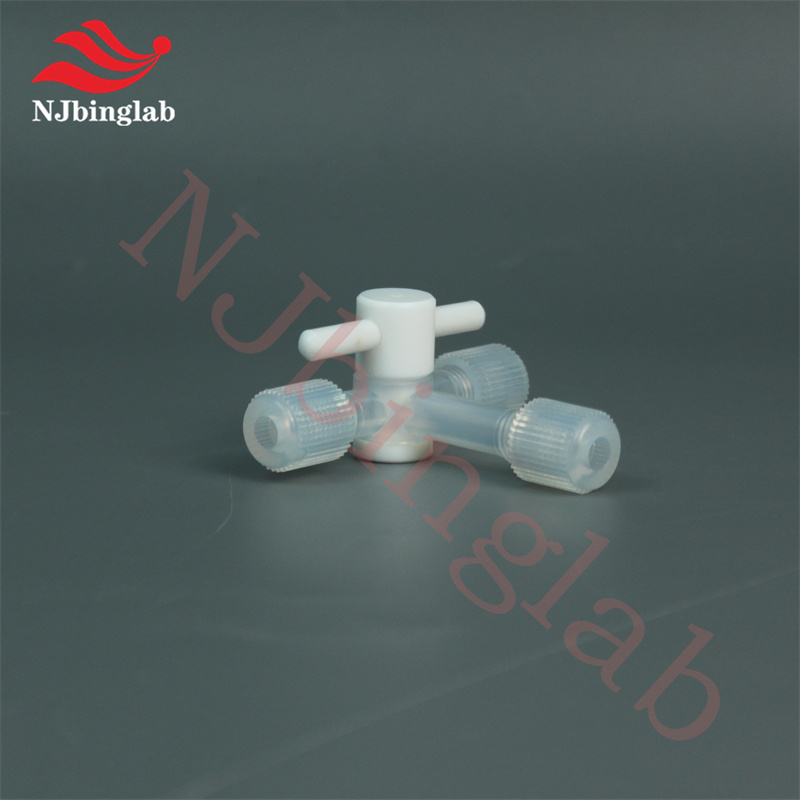
PFA 3-way valve, 1/4" OD tube ports
Price 30.0 USD ($) / Piece
Minimum Order Quantity : 3 Pieces
Feature : Corrosion resistant
Advantage : No adsorption
Color : Translucent
Material : PFA
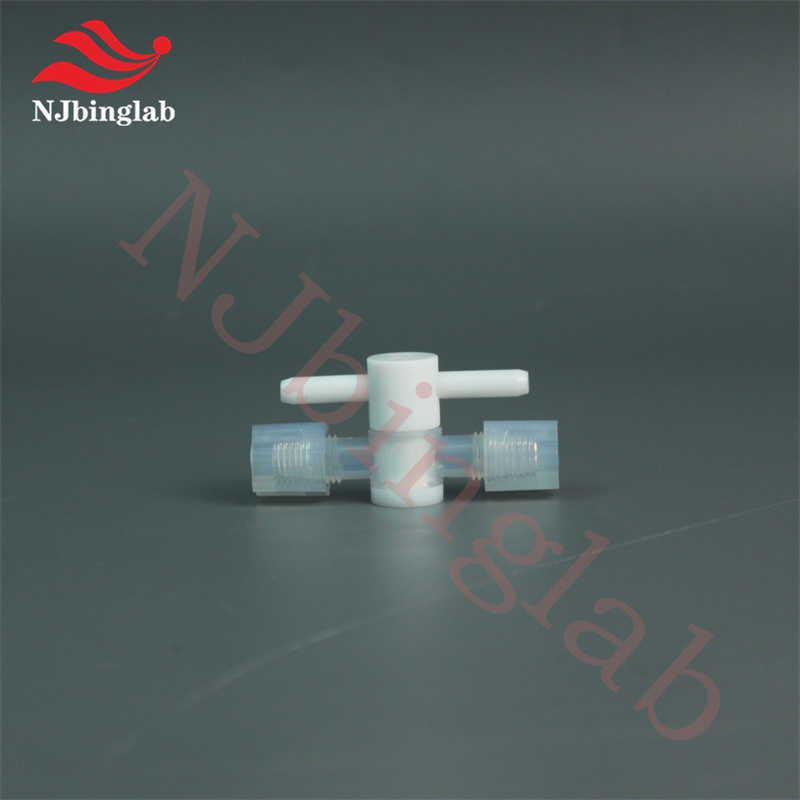
PFA 2-way valve, 1/4" OD tube ports
Price 30.0 USD ($) / Piece
Minimum Order Quantity : 3 Pieces
Feature : Corrosion resistant
Advantage : No adsorption
Color : Translucent
Material : PFA+PTFE

PFA transfer Tubes
Price 195.0 USD ($) / Set
Minimum Order Quantity : 1 Set
Feature : Exceptional chemical resistance, high purity, nonstick surface, excellent flexibility, and transparent tubing.
Advantage : Superior thermal stability, wide operating temperature range, inert to most chemicals, and kinkresistant for secure fluid transfer.
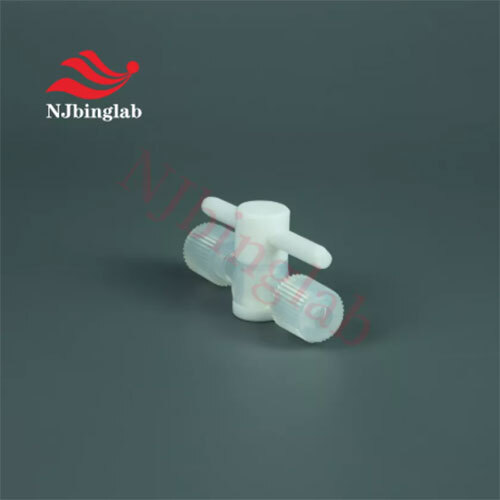
Two-ways PFA Valve for Liquid Transport
Price 35.0 USD ($) / Piece
Minimum Order Quantity : 3 Pieces
Feature : Excellent sealing performance, corrosion resistance, twoway operation
Advantage : Prevents leakage, supports aggressive media, long lifespan, and minimal maintenance

Contact Details

- 301, Building 10, Baijiahui Innovation Community, Xuanwu District,Nanjing - 210042, Jiangsu, China
- Phone : 86--15805176994
- Ms Ross Guo (Manager)
- Mobile : +8615805176994
- Send Inquiry
 Send Inquiry
Nanjing Binzhenghong International Trade Co., Ltd.
All Rights Reserved.(Terms of Use)
Developed and Managed by Infocom Network Private Limited.
Developed and Managed by Infocom Network Private Limited.
 English
 Spanish
 French
 German
 Italian
 Chinese (Simplified)
 Japanese
 Korean
 Arabic
 Portuguese