Welcome to our company

 Send Email
 Send Inquiry
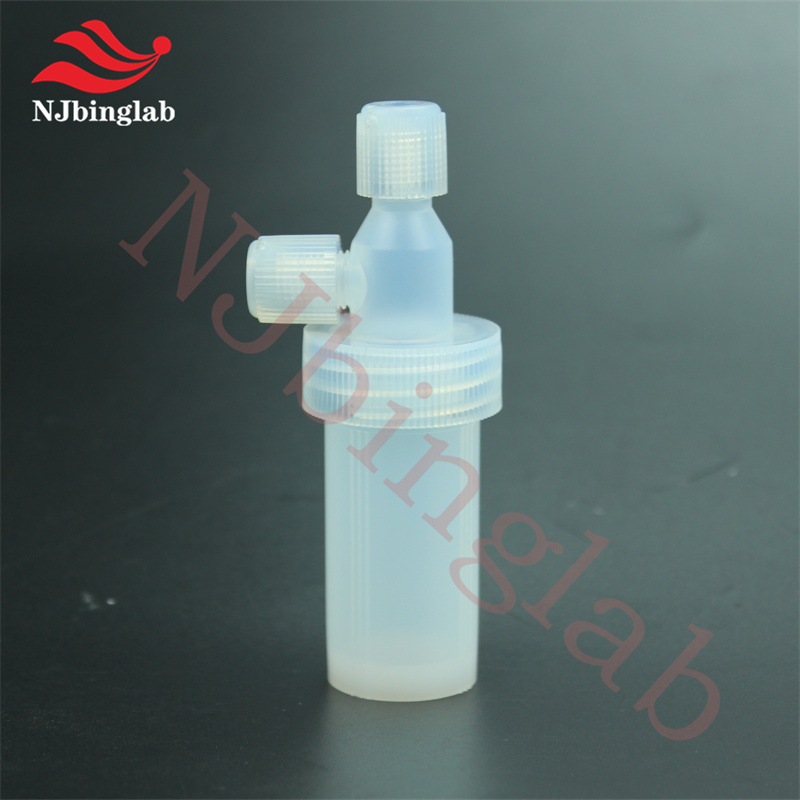
PFA impinger 30ml, 1/4"OD tube ports, Type A
Price 50.0 USD ($)/ Piece
MOQ : 3 Pieces
PFA impinger 30ml, 1/4"OD tube ports, Type A Specification
- Application
- Gas reaction
- Color
- Translucent
- Usage
- Lab use
- Material
- PFA
- Feature
- Corrosion resistant
- Advantage
- No adsorption
PFA impinger 30ml, 1/4"OD tube ports, Type A Trade Information
- Minimum Order Quantity
- 3 Pieces
- Supply Ability
- 100 Pieces Per Month
- Delivery Time
- 7 Days
About PFA impinger 30ml, 1/4"OD tube ports, Type A
Product Overview
The PFA Impinger (15-60ml) is a specialized micro-sampling vessel designed for capturing trace elements and contaminants from gas streams. Its compact 15ml to 60ml volume is optimized for high-concentration collection with minimal reagent use. The non-stick, hydrophobic PFA surface ensures that even the most "sticky" trace analytes do not adsorb to the walls, allowing for complete sample recovery and a lower limit of detection in analytical workflows.
Product Synergy & Workflow
Designed for integrated gas-phase and liquid-phase analysis:
-
PFA Tubing (1/4"): Used to connect the impinger inlets and outlets to gas sources or vacuum pumps.
-
PFA/FEP Reagent Bottles: The source for high-purity absorption solutions used to fill the impingers.
-
PFA Vials: For transferring and storing the concentrated liquid samples after the collection process is complete.
Application Fields & Industries
-
Environmental Air Monitoring: Collection of volatile heavy metals (such as Mercury) and acid gases from industrial emissions.
-
Semiconductor Gas Analysis: Testing the purity of process gases and identifying trace organic/inorganic contaminants.
-
Cleanroom Validation: Monitoring ambient air quality in ultra-clean manufacturing environments.
-
Nuclear Chemistry: Sampling of radioactive gas isotopes or corrosive vapors in controlled environments.
Superior Material and Design
Constructed from high-quality PFA, this 30 ml impinger efficiently resists corrosion and chemical interaction. Its 1/4" OD tube ports allow seamless connection with standard lab tubing, making it adaptable for various gas reaction applications in research and analytical labs.
Optimal for Laboratory Gas Reactions
The PFA impinger excels in laboratory environments where precise gas containment and reaction monitoring are crucial. Its translucent structure enables easy visual assessment, ensuring seamless workflow and safety during experimental procedures.
FAQ's of PFA impinger 30ml, 1/4"OD tube ports, Type A:
Q: How is the PFA impinger 30ml installed and used in lab gas reactions?
A: To use the PFA impinger, connect your gas lines to the 1/4" OD tube ports, ensuring airtight seals. It is placed in the gas flow path to facilitate collection or scrubbing of gases, ideal for analytical and experimental setups requiring resistance to chemical corrosion.Q: What are the primary benefits of using a PFA impinger for gas reactions?
A: The main benefits include its excellent corrosion resistance and non-adsorptive surface, preventing contamination. This makes it ideal for handling aggressive gases and ensures highly accurate, reproducible results in laboratory analyses.Q: When should I consider using a PFA impinger instead of alternatives?
A: A PFA impinger should be chosen when working with highly reactive or corrosive gases, or when maintaining purity is vital. Its no-adsorption feature is essential for sensitive experiments requiring minimal interference from container materials.Q: Where can this PFA impinger be sourced or supplied from?
A: This PFA impinger is manufactured, exported, and supplied from India. It is available through specialized laboratory equipment exporters and suppliers catering to international markets.Q: What is the process for cleaning and maintaining the PFA impinger?
A: PFA impingers can be cleaned using compatible laboratory solvents or mild detergents. After draining contents, rinse thoroughly and allow to air-dry. Avoid harsh abrasives or solvents that may degrade PFA to maintain performance.Q: How does the translucent color aid in laboratory applications?
A: The translucent design allows users to visually monitor liquid levels, gas reactions, and check for blockages or residues, thereby improving safety and operational efficiency during lab work.Q: What makes PFA material advantageous over other plastics for lab use?
A: PFA offers remarkable chemical inertness, resists adsorption and leaching, and withstands high temperatures. This ensures integrity and accuracy in demanding laboratory environments, especially those involving aggressive or high-purity gases.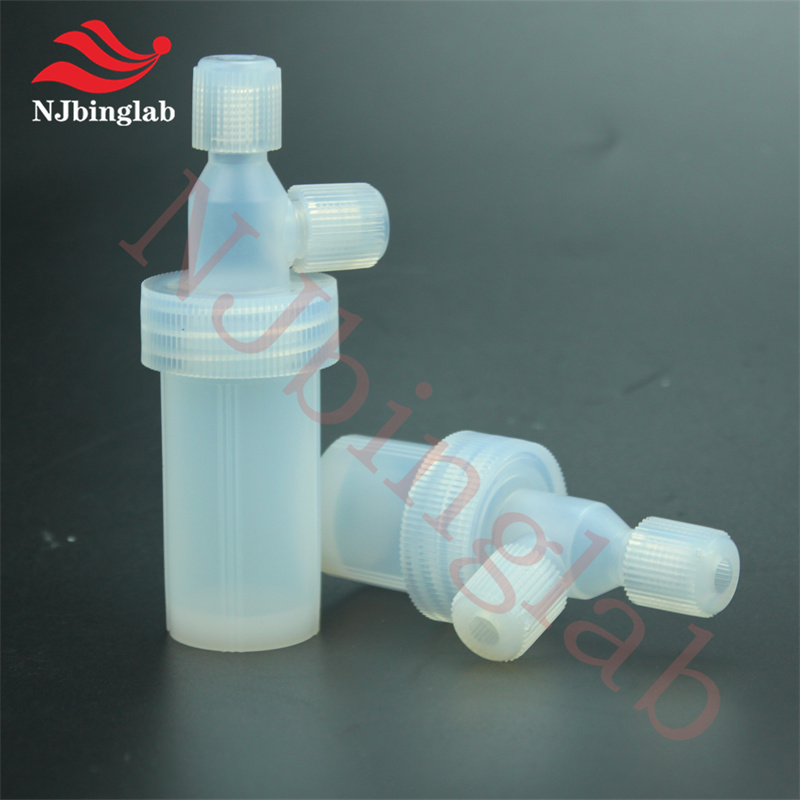
Tell us about your requirement

Price:
Quantity
Select Unit
- 50
- 100
- 200
- 250
- 500
- 1000+
Additional detail
Mobile number
Email

More Products in Sample Preparation Accessories Category
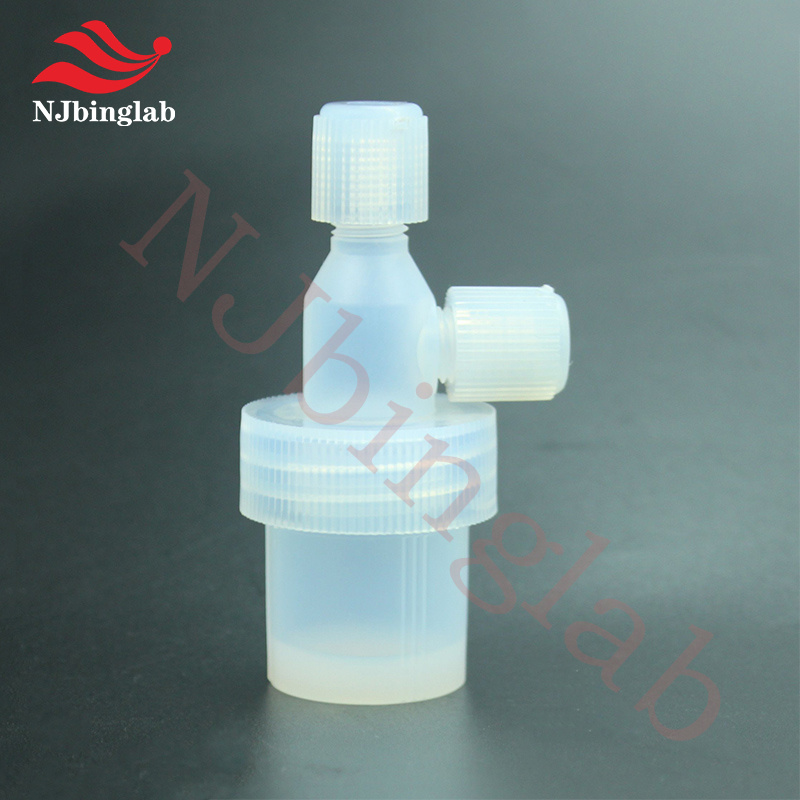
PFA impinger 15ml, 1/4"OD tube ports, type A
Price 45.0 USD ($) / Piece
Minimum Order Quantity : 3 Pieces
Usage : Lab use
Feature : Corrosion resistant
Material : PFA
Color : Translucent
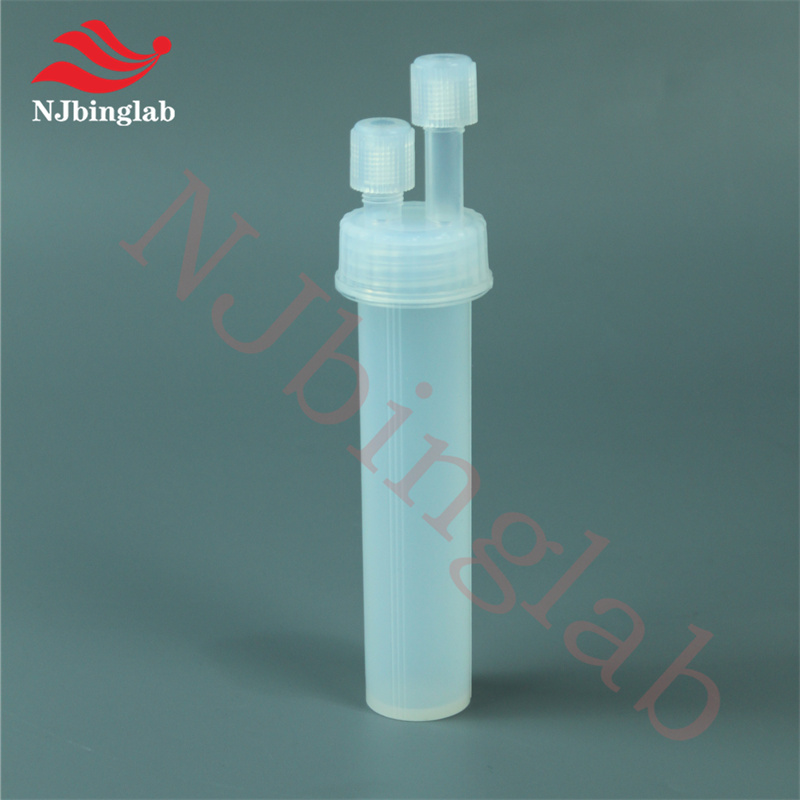
PFA impinger 60ml, 1/4"OD tube ports, type B
Price 80.0 USD ($) / Piece
Minimum Order Quantity : 3 Pieces
Usage : Lab use
Feature : Corrosion resistant
Material : PFA
Color : Translucent
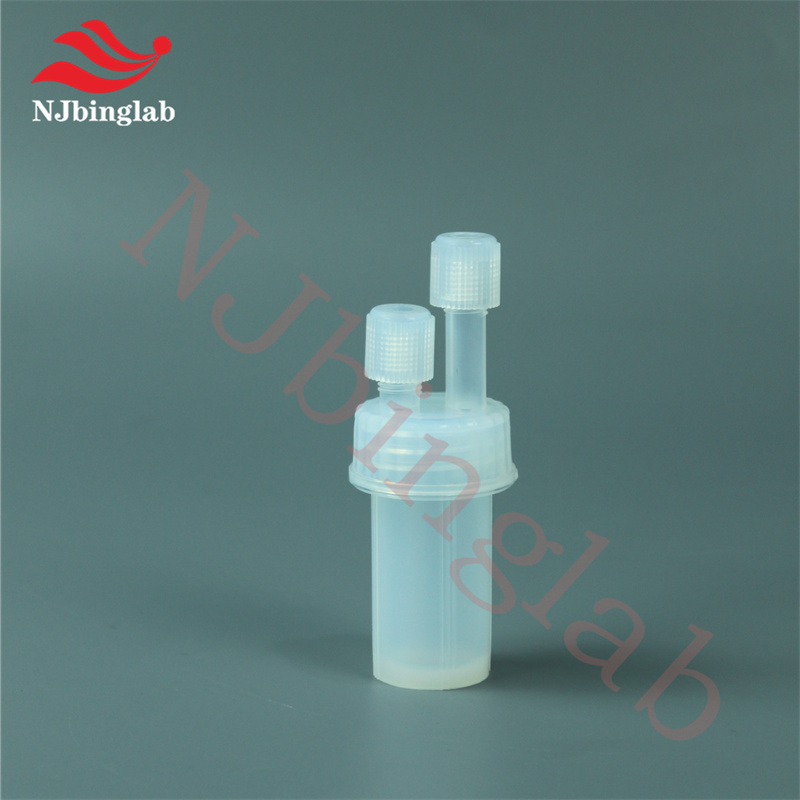
PFA impinger 30ml, 1/4"OD tube ports, type B
Price 40.0 USD ($) / Piece
Minimum Order Quantity : 3 Pieces
Usage : Lab use
Feature : Corrosion resistant
Material : PFA
Color : Translucent
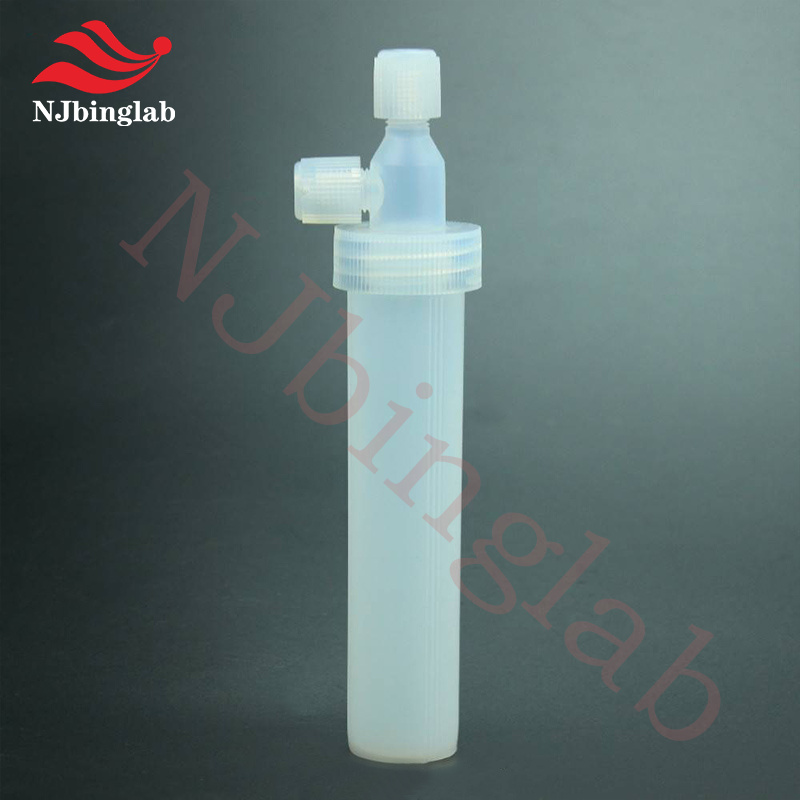
PFA impinger 60ml, 1/4"OD tube ports, type A
Price 80.0 USD ($) / Piece
Minimum Order Quantity : 3 Pieces
Usage : Lab use
Feature : Corrosion resistant
Material : PFA
Color : Translucent

Contact Details

- 301, Building 10, Baijiahui Innovation Community, Xuanwu District,Nanjing - 210042, Jiangsu, China
- Phone : 86--15805176994
- Ms Ross Guo (Manager)
- Mobile : +8615805176994
- Send Inquiry
 Send Inquiry
Nanjing Binzhenghong International Trade Co., Ltd.
All Rights Reserved.(Terms of Use)
Developed and Managed by Infocom Network Private Limited.
Developed and Managed by Infocom Network Private Limited.
 English
 Spanish
 French
 German
 Italian
 Chinese (Simplified)
 Japanese
 Korean
 Arabic
 Portuguese