Welcome to our company

 Send Email
 Send Inquiry
PFA jar 300ml, with screw cap
Price 180.0 USD ($)/ Piece
MOQ : 3 Pieces
PFA jar 300ml, with screw cap Specification
- Use
- Laboratory storage of corrosive chemicals, acids and alkalis, and high-purity reagents.
- Size
- 300 ml
- Feature
- Chemically inert, high-purity PFA construction, translucent body, leakage-proof screw cap, can withstand corrosive environments.
- Advantage
- Nearly universal chemical resistance, non-stick surface, easy to clean, wide temperature tolerance (-200C to +260C), long lifespan.
- Neck Diameter
- Approximately 58 mm (est.)
- Material
- PFA (Perfluoroalkoxy alkane)
- Color
- Translucent white
- Application
- Pharmaceutical storage, laboratory use, sample containment
- Compliance
- Meets laboratory safety standards
- Surface
- Smooth, non-stick
- Autoclavable
- Yes
- Sterilization Method
- Autoclave or chemical sterilization
- Cap Type
- Screw cap (PFA)
- Temperature Range
- -200C to +260C
- Jar Height
- Approximately 108 mm (est.)
- Resistance
- Resistant to almost all chemicals
- Closure Type
- Leak-proof, screw cap
PFA jar 300ml, with screw cap About
Product Overview
The Large-Capacity PFA Jar (250ml-1500ml) is engineered for the storage, transport, and digestion of high-volume samples. Unlike glass or lower-grade plastics, these heavy-walled jars provide a non-reactive, non-stick environment that prevents sample loss and cross-contamination. The spacious opening makes them ideal for processing large specimens, such as core samples, electronic components, or bulk high-purity chemicals, without compromising the analytical blank.
Product Synergy & Workflow
Optimized for scaled high-purity laboratory workflows:
-
PFA Digestion Vessels: Used in tandem for larger scale acid digestion on hot blocks.
-
PFA Pipette Tips: For the precise addition of bulk reagents or the extraction of large-volume samples.
-
FEP Reagent Bottles: Serve as the storage source for high-purity blank acids used to dilute samples within the jar.
-
Acid Steam Cleaning Systems: Large jars are designed to withstand repeated, rigorous acid-vapor decontamination cycles.
Application Fields & Industries
-
Semiconductor Industry: Cleaning and storage of high-purity quartzware, wafers, and micro-electronic components.
-
Environmental Science: Large-scale digestion of soil, sediment, and biological tissue samples for heavy metal screening.
-
Geochemistry & Mining: Bulk dissolution of ore samples using concentrated mineral acids for REE analysis.
-
Nuclear Industry: Secure containment and processing of corrosive or sensitive radioactive materials.
Exceptional Material Performance
Crafted from premium PFA, this 300ml jar is optimal for handling high-purity reagents and storing corrosive substances. Its chemically inert composition prevents any reaction with stored materials, making it a trusted choice for laboratories handling sensitive samples.
Versatility in Laboratory Environments
Engineered to meet rigorous laboratory standards, the PFA jar is ideal for sample containment, pharmaceutical storage, and safe transport of volatile chemicals. The screw cap closure provides a leak-proof seal, essential for safe and reliable reagent storage.
Ease of Use and Maintenance
With a smooth, non-stick surface, the PFA jar is exceptionally easy to clean. Its wide neck affords easy access for both filling and retrieving samples. The translucent body aids quick inspection of contents and verification of volume.
FAQ's of PFA jar 300ml, with screw cap:
Q: How do I properly sterilize the PFA jar 300ml before use?
A: You can sterilize the PFA jar using either an autoclave or approved chemical sterilization methods. The jar withstands high temperatures up to +260C, making it suitable for all standard laboratory sterilization protocols without risk of warping or degradation.Q: What types of chemicals can be safely stored in this PFA jar?
A: Thanks to its nearly universal chemical resistance, the PFA jar can safely store corrosive chemicals, acids, alkalis, solvents, and high-purity reagents. Its inert material ensures there is no risk of contamination or reaction with the contents.Q: When is it most beneficial to use a PFA jar over other materials?
A: A PFA jar is particularly advantageous when working with highly corrosive substances, high-purity reagents, or when a non-stick, easy-to-clean surface is required. Its broad temperature tolerance and chemical inertness provide superior protection compared to glass or standard plastics.Q: Where can this PFA jar be applied within laboratory operations?
A: This 300ml PFA jar is fit for various laboratory operations such as pharmaceutical sample storage, containment of volatile chemicals, and transportation of hazardous substances. Its leak-proof screw cap ensures safe handling in both storage and transit.Q: What is the process for ensuring a leak-proof seal with the screw cap?
A: To achieve a leak-proof seal, align the threads of the cap with the neck of the jar and tighten firmly by hand until resistance is felt. The precisely molded PFA threads provide a reliable closure that prevents leaks, even with volatile or corrosive fluids.Q: How does the non-stick, smooth surface of the jar benefit laboratory use?
A: The smooth, non-stick surface of the PFA jar minimizes sample adherence, allowing for easy transfer and thorough cleaning between uses. This reduces the risk of cross-contamination and ensures accurate results in sensitive experiments.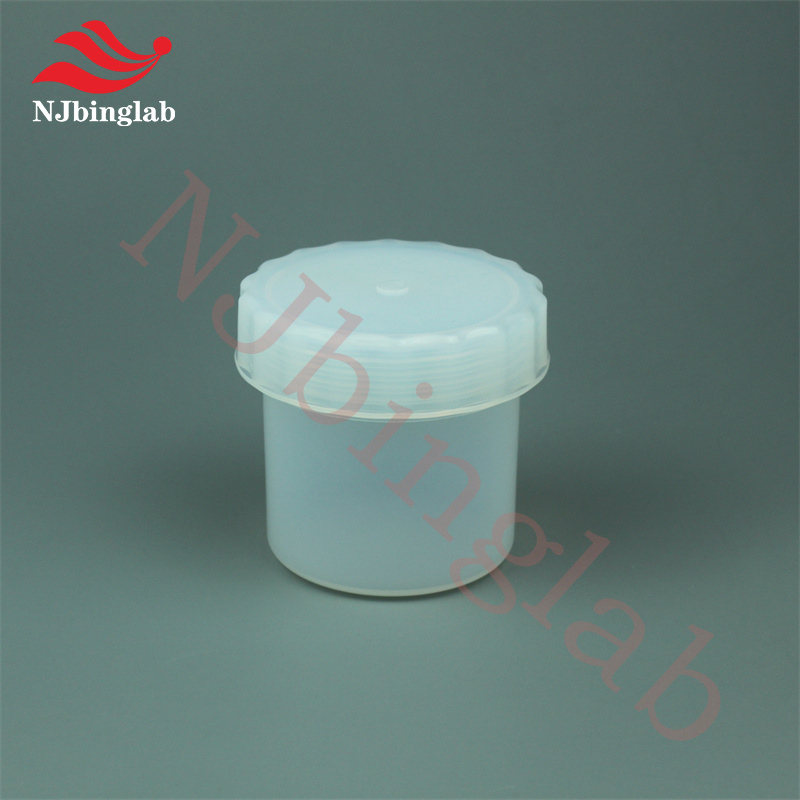
Tell us about your requirement

Price:
Quantity
Select Unit
- 50
- 100
- 200
- 250
- 500
- 1000+
Additional detail
Mobile number
Email

More Products in Clean Sample Preparation Accessories Category
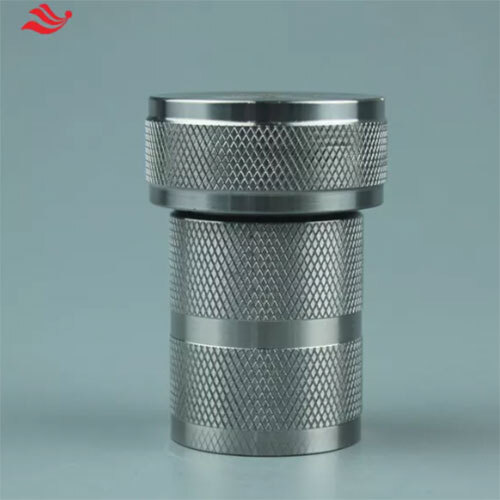
15ml Geological Pressure Vessel, PTFE liner+ 304SS outer
Price 67.0 USD ($) / Set
Minimum Order Quantity : 3 Sets
Feature : High pressure and temperature resistance, designed for safe and efficient sample decomposition
Advantage : Ensures uniform heating and complete digestion, minimizing contamination and sample loss
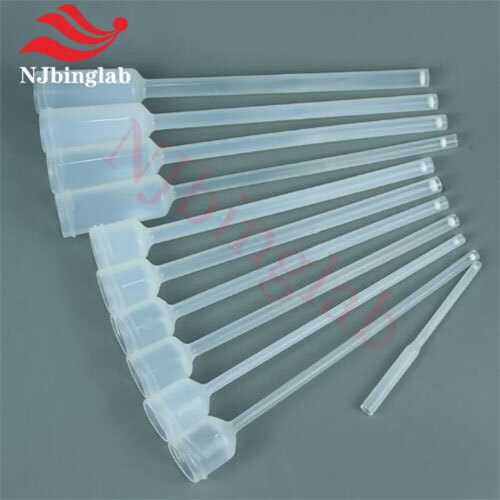
1.5 ml PFA Micro-column Resin Integrated Molding
Price 65.0 USD ($) / Piece
Minimum Order Quantity : 3 Pieces
Feature : Resin integrated molding, high chemical resistance, no dead angle, ultraclean surface
Advantage : No sample loss, high temperature tolerance, compatibility with aggressive chemicals
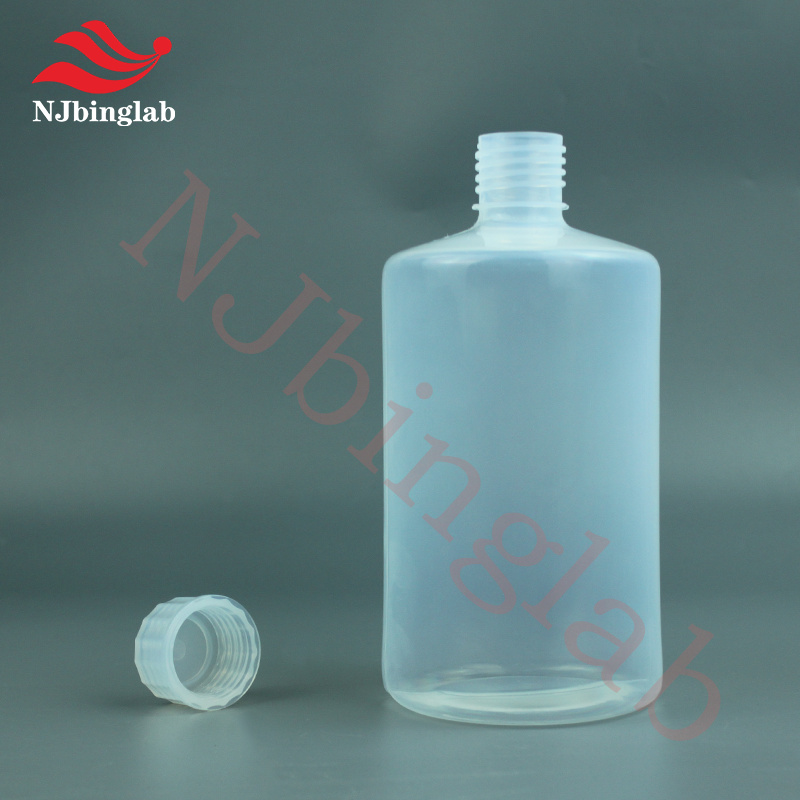
PFA bottle 1L, GL32/GL45 mouth
Price 155.0 USD ($) / Case
Minimum Order Quantity : 3 Cases
Feature : Corrosion resistant
Advantage : No contamination
Color : Translucent
Usage : Lab use
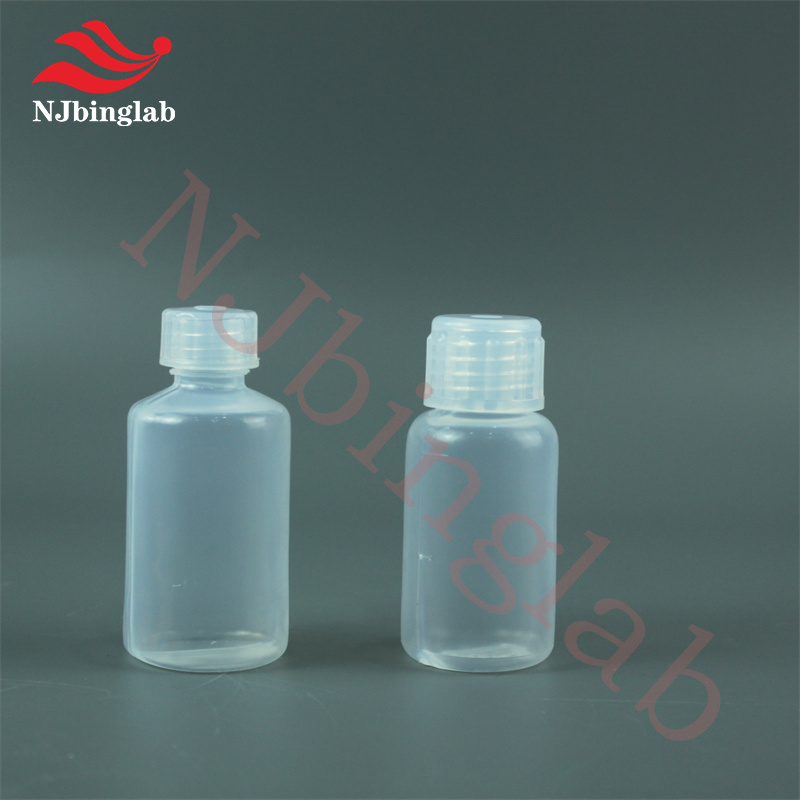
PFA bottle 60ml, low blank value
Price 21.0 USD ($) / Case
Minimum Order Quantity : 3 Cases
Feature : Corrosion resistant
Advantage : Low blank value
Color : Translucent
Usage : Lab use

Contact Details

- No. 60, Shidai Avenue, Longchi Street, Liuhe District, Nanjing - 211599, Jiangsu, China
- Phone : 86--15805176994
- Ms Ross Guo (Manager)
- Mobile : +8615805176994
- Mr. Jimmy Luo
- Mobile : +8618020125661
- Send Inquiry
 Send Inquiry
Nanjing Binzhenghong International Trade Co., Ltd.
All Rights Reserved.(Terms of Use)
Developed and Managed by Infocom Network Private Limited.
Developed and Managed by Infocom Network Private Limited.
 English
 Spanish
 French
 German
 Italian
 Chinese (Simplified)
 Japanese
 Korean
 Arabic
 Portuguese