Welcome to our company

 Send Email
 Send Inquiry
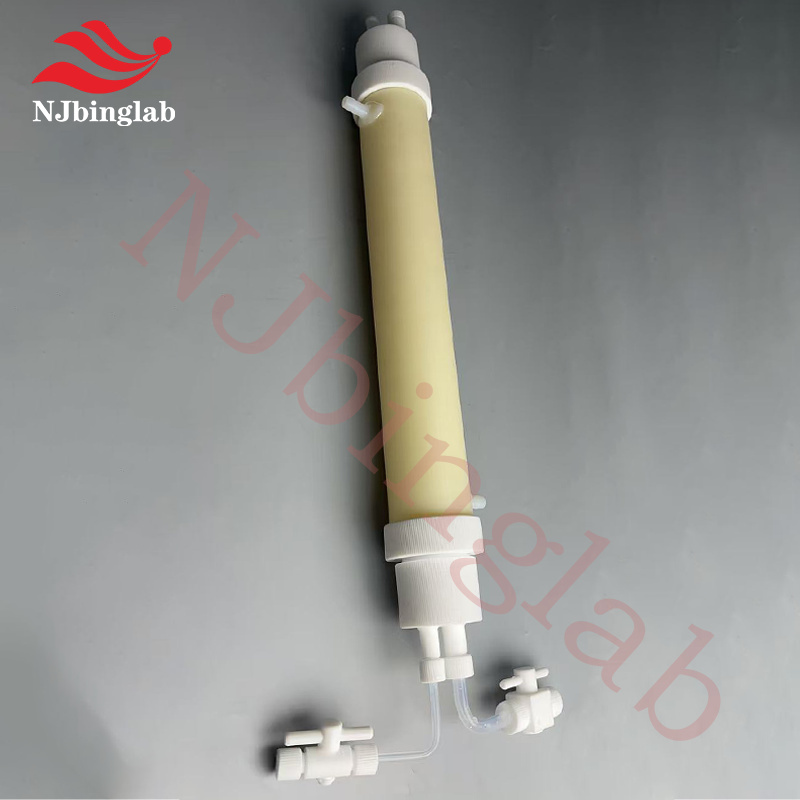
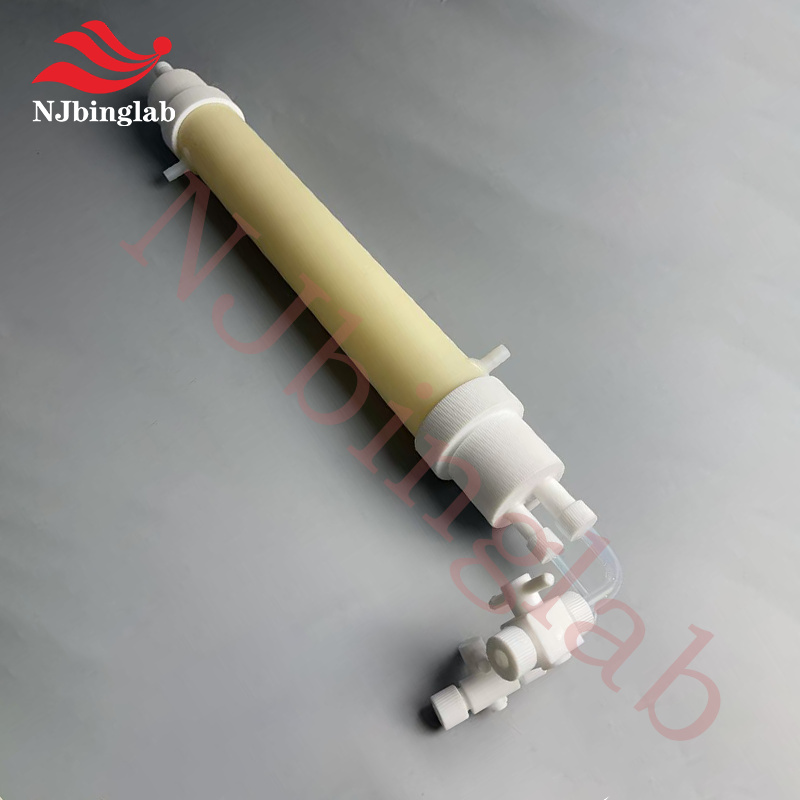
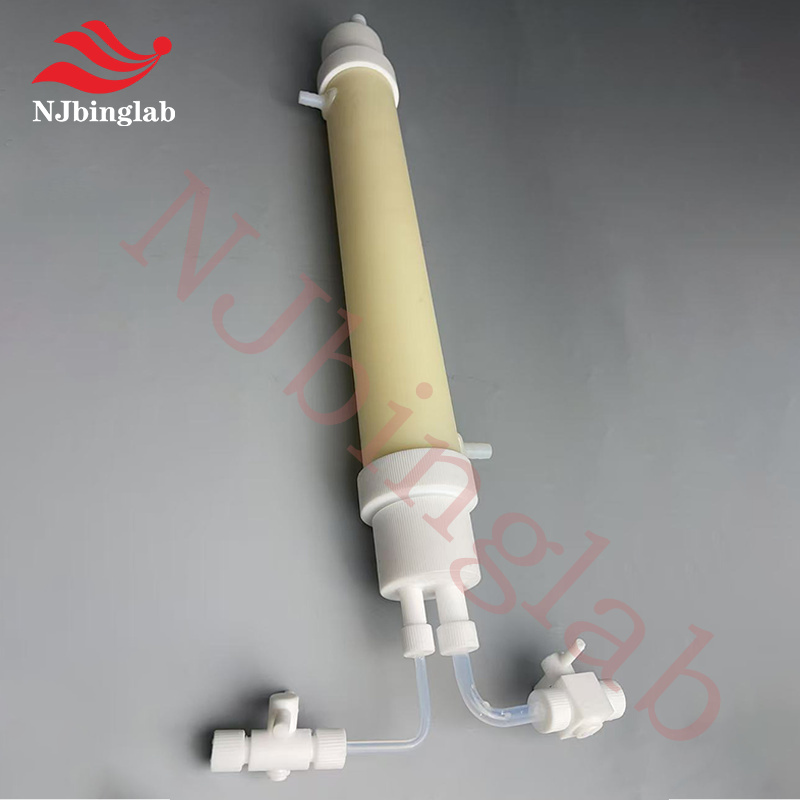
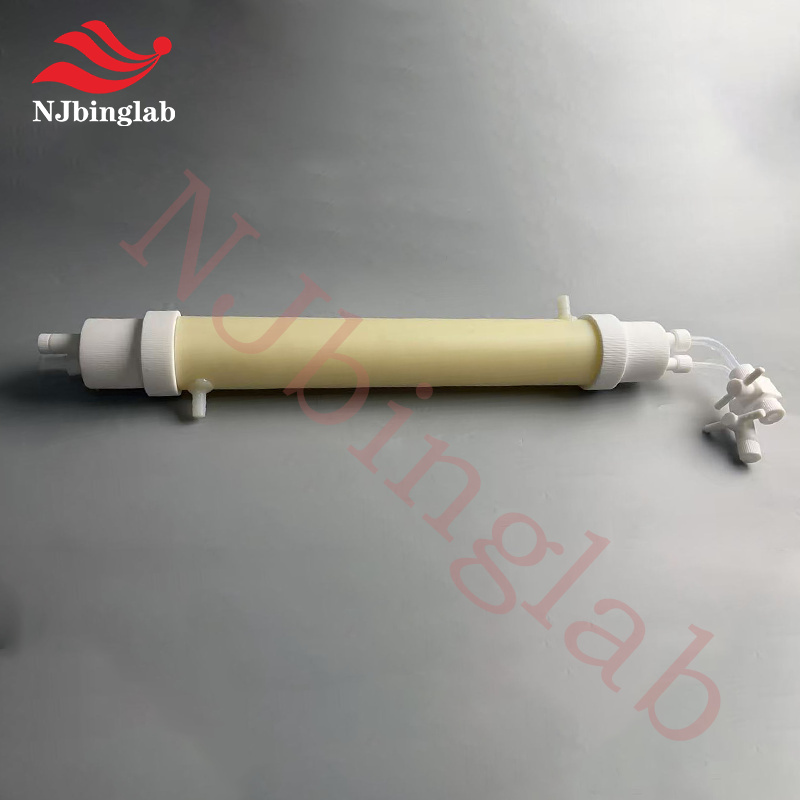
PTFE Filtration Column with Dual Valves and Cooling Jacket
Price 565.0 USD ($)/ Unit
MOQ : 1 Unit
PTFE Filtration Column with Dual Valves and Cooling Jacket Specification
- Usage
- lab use
- Use
- Laboratory and industrial solid-liquid filtration, applicable for chemical processing involving corrosive or high-purity media.
- Size
- Available in multiple diameters (typically 50mm, 100mm, and 150mm) and custom heights as per application requirements.
- Feature
- Equipped with dual PTFE valves for controlled in/out flow, integrated cooling jacket for temperature regulation, full PTFE construction for chemical resistance.
- Advantage
- High chemical inertness, easy cleaning, non-stick, prevents cross-contamination, withstands wide temperature ranges.
- Jacket Inlet/Outlet Ports
- Standard 10mm hose barb (customizable)
- Column Ends
- Flat base with threaded or flanged closure
- Cooling Jacket Compatibility
- Suitable for circulating water, brine, or other cooling mediums
- Transparency
- Opaque/White
- Chemical Compatibility
- Resistant to acids, bases, solvents, and aggressive chemicals
- Maximum Working Pressure
- Up to 3 bar (44 psi) depending on size
- Cleaning Method
- Autoclavable, compatible with all standard laboratory cleaning protocols
- Valve Type
- PTFE stopcock valves with precision control
- Leak-proof Design
- Precision-machined joints and seals for 100% leak proof operation
- Material
- 100% Virgin PTFE (Polytetrafluoroethylene)
- Filter Support
- Integrated PTFE frit or easily replaceable filter discs
- Applications
- Pharmaceutical, chemical synthesis, biochemical separation, laboratory filtration, pilot plants
- Maximum Operating Temperature
- -50C to +200C
- Connection Type
- Standard GL thread or custom flange
PTFE Filtration Column with Dual Valves and Cooling Jacket Trade Information
- Minimum Order Quantity
- 1 Unit
- Delivery Time
- 5-10 Days
About PTFE Filtration Column with Dual Valves and Cooling Jacket
This PTFE filtration column is designed for high-purity chemical processing and acid purification. It features a top thermometer port and a standard 14/20 joint for flexible setup. The bottom is equipped with two PTFE valves for precise flow control. An external nylon cooling jacket allows water circulation for efficient condensation and temperature control.
Key Advantages
-
Made of high-quality PTFE for excellent chemical resistance
-
Suitable for strong acids and high-purity applications
-
Top port allows insertion of thermometer for temperature monitoring
-
Standard 14/20 joint ensures compatibility with common lab setups
-
Two bottom PTFE valves enable precise liquid control and discharge
-
External nylon jacket supports water cooling for better condensation
-
Non-contaminating material, ideal for trace analysis work
-
Durable, anti-corrosion, and suitable for long-term use
-
Easy to assemble, clean, and maintain
-
Widely used in acid purification, distillation, and filtration processes
Engineered for Advanced Filtration Needs
Designed specifically for critical laboratory and industrial applications, this PTFE Filtration Column excels in high-purity, corrosive, or temperature-sensitive environments. Its robust all-PTFE construction, dual precision valves, and integrated cooling jacket make it a versatile solution for solid-liquid separations, supporting reliable and contamination-free operation.
Superior Chemical Resistance and Safety
Constructed from 100% Virgin PTFE, the column is resistant to a broad spectrum of acids, bases, solvents, and aggressive chemical agents. Its leak-proof design ensures safe operation even when working with hazardous substances, providing confidence for both research and industrial users alike.
Flexible, User-Centric Design
Supporting standard GL thread and custom flange connections, the column accommodates various setups. The cooling jacket supports circulating water, brine, or other media, and jacket ports are standard 10mm hose barb (customizable). Filter supports-integrated PTFE frits or easy-to-replace discs-allow smooth maintenance and versatility.
FAQ's of PTFE Filtration Column with Dual Valves and Cooling Jacket:
Q: How do I clean and sterilize the PTFE Filtration Column?
A: The column is fully autoclavable and can withstand standard laboratory cleaning protocols. Its non-stick PTFE construction also allows for easy manual cleaning, reducing residue buildup and risk of cross-contamination.Q: What cooling mediums can the integrated jacket handle?
A: The cooling jacket is compatible with circulating water, brine, or other appropriate cooling mediums, enabling precise temperature regulation of your filtration process.Q: When should I use this PTFE Filtration Column?
A: This filtration column is ideal for situations requiring chemical resistance, non-contaminating materials, or temperature control, such as pharmaceutical manufacturing, chemical synthesis, laboratory research, and pilot plant operations.Q: Where can this product be used?
A: It is suitable for use in laboratory, research, and industrial settings. Its chemical inertness and flexible size options make it valuable for exporters, manufacturers, and suppliers, especially those handling aggressive or sensitive materials.Q: What are the benefits of dual valve and PTFE construction?
A: Dual PTFE valves offer precise control over inflow and outflow, essential for reproducible results and process safety. The all-PTFE build ensures exceptional chemical resistance, durability, and effortless cleaning.Q: How do I select the correct size and configuration?
A: Choose from standard diameters (50mm, 100mm, 150mm) or request custom sizes based on your process volume and space requirements. Connection type (GL thread or custom flange) and closure style can also be tailored for your system compatibility.Q: What applications is this filtration column best suited for?
A: The column is optimal for solid-liquid separations in pharmaceutical production, chemical synthesis, biochemical separation, and general laboratory processes involving corrosive or high-purity media.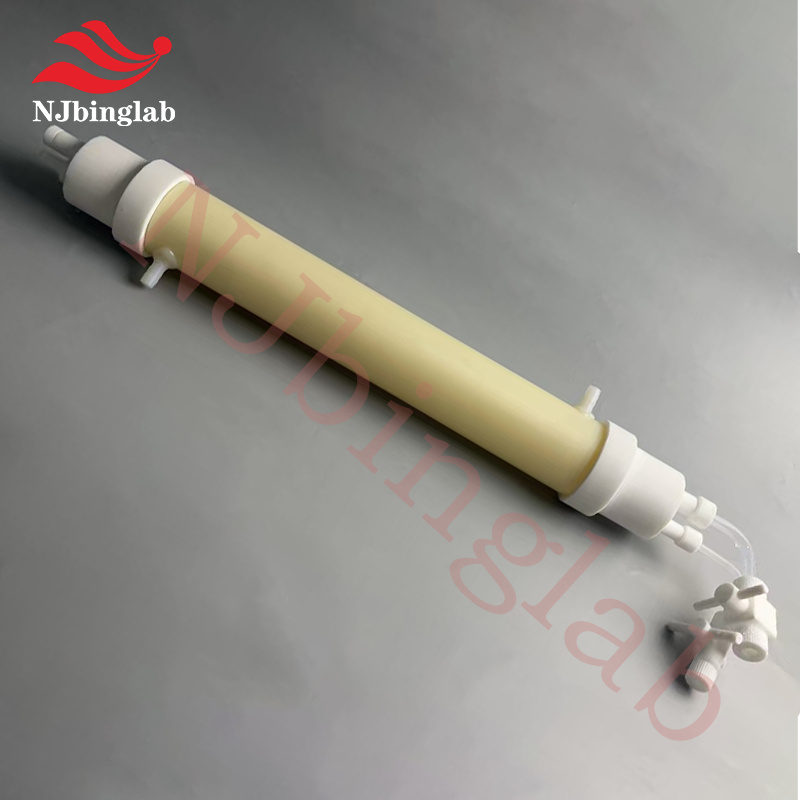
Tell us about your requirement

Price:
Quantity
Select Unit
- 50
- 100
- 200
- 250
- 500
- 1000+
Additional detail
Mobile number
Email

More Products in Clean Sample Preparation Accessories Category
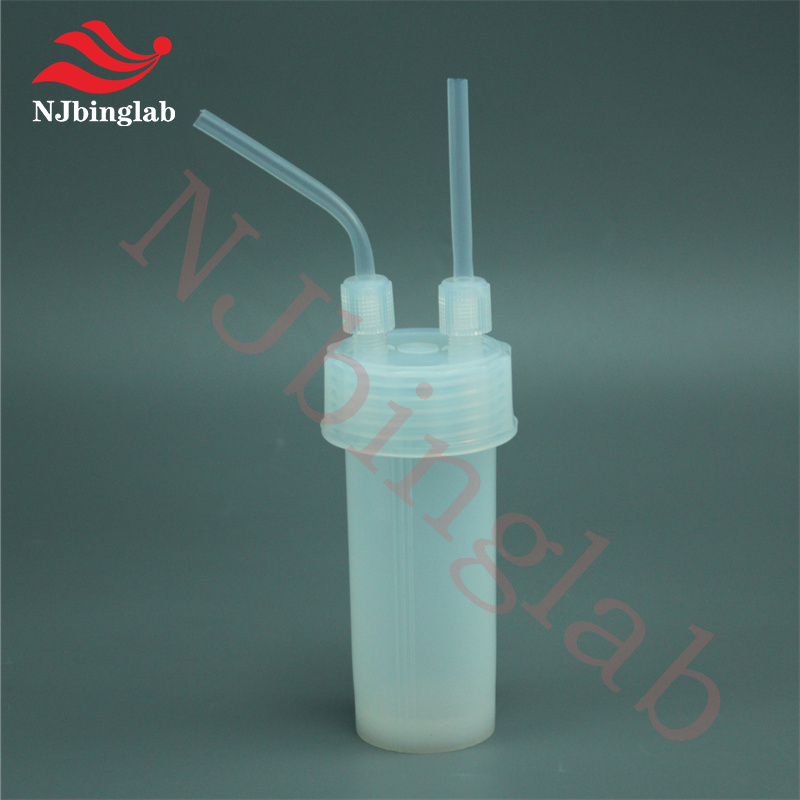
PFA Dual-Neck Impingement Bottle 180ml, with 1/4" tube port
Price 120.0 USD ($) / Piece
Minimum Order Quantity : 3 Pieces
Color : Translucent
Feature : Corrosion resistant
Material : PFA
Application : Gas reaction
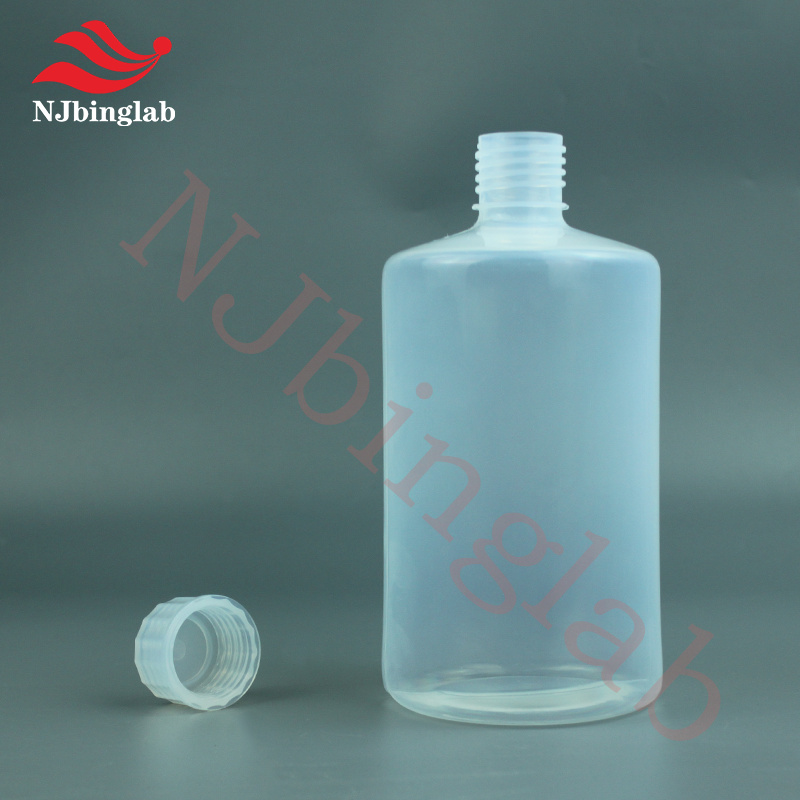
PFA bottle 1L, GL32/GL45 mouth
Price 155.0 USD ($) / Case
Minimum Order Quantity : 3 Cases
Color : Translucent
Feature : Corrosion resistant
Material : PFA
Application : Solution storage
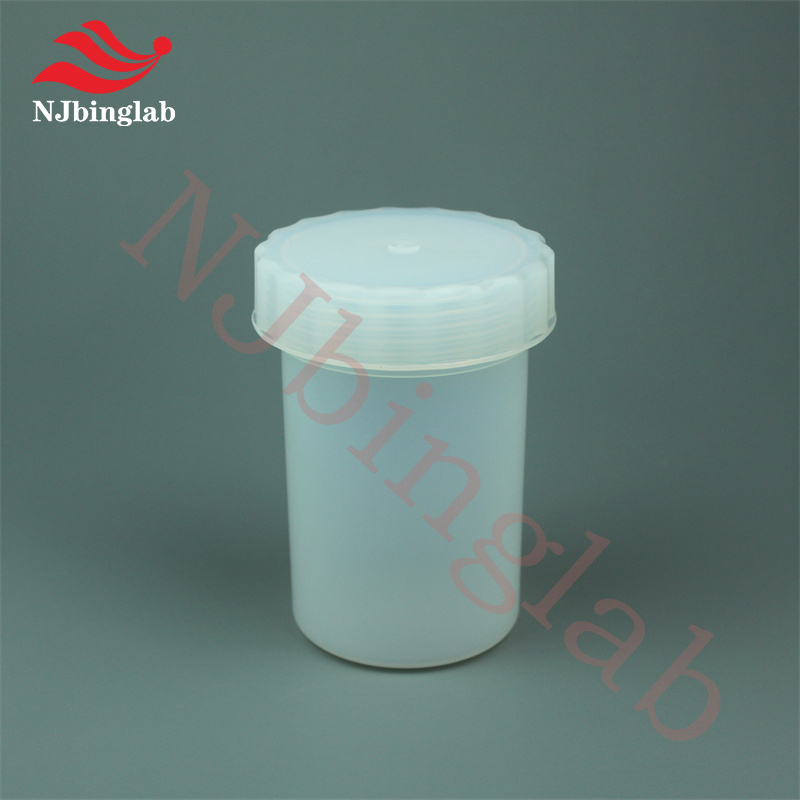
PFA jar 1000ml, with screw cap
Price 220.0 USD ($) / Bag
Minimum Order Quantity : 3 Bags
Color : Translucent
Feature : Corrosion resistant
Material : PFA
Application : Reaction
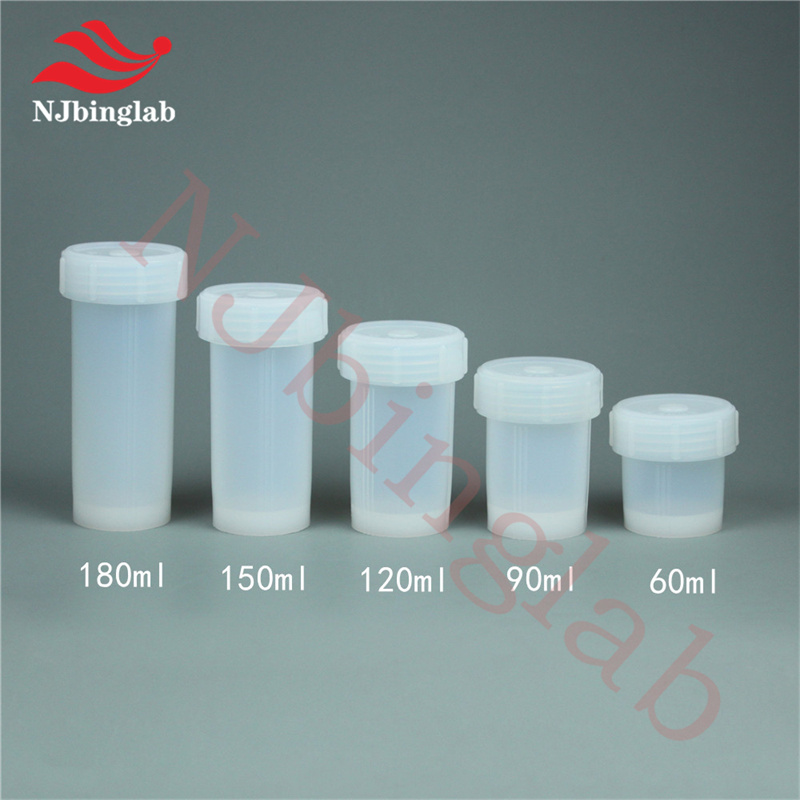
PFA jar 60ml, U/V/flat bottom, with screw cap
Price 40.0 USD ($) / Piece
Minimum Order Quantity : 3 Pieces
Color : Translucent
Feature : Corrosion resistant
Material : PFA
Application : Storage or reaction

Contact Details

- 301, Building 10, Baijiahui Innovation Community, Xuanwu District,Nanjing - 210042, Jiangsu, China
- Phone : 86--15805176994
- Ms Ross Guo (Manager)
- Mobile : +8615805176994
- Send Inquiry
 Send Inquiry
Nanjing Binzhenghong International Trade Co., Ltd.
All Rights Reserved.(Terms of Use)
Developed and Managed by Infocom Network Private Limited.
Developed and Managed by Infocom Network Private Limited.
 English
 Spanish
 French
 German
 Italian
 Chinese (Simplified)
 Japanese
 Korean
 Arabic
 Portuguese