Welcome to our company

 Send Email
 Send Inquiry
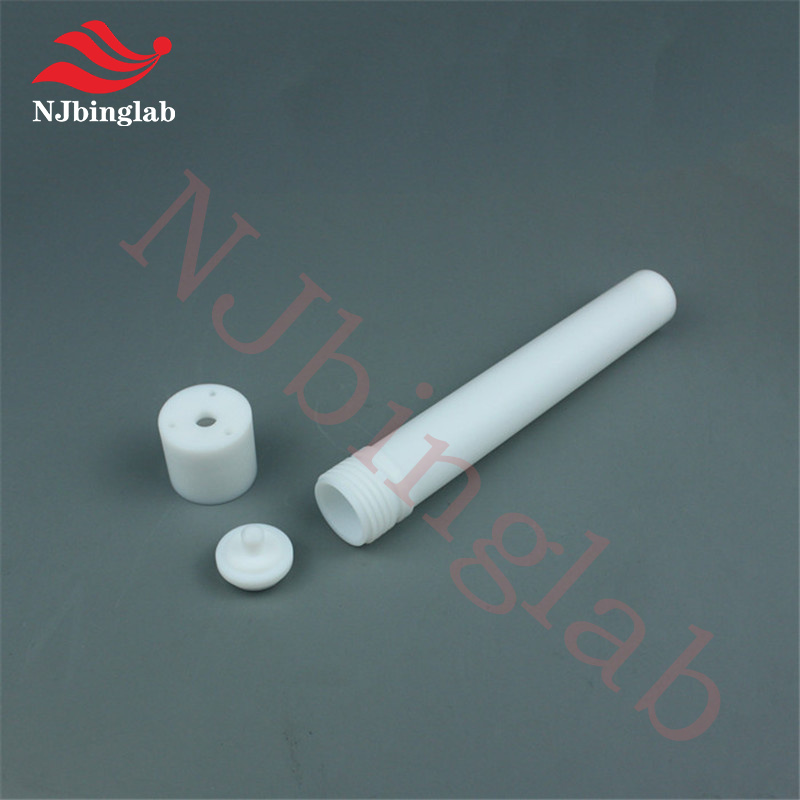
TFM standard vessel for Milestone Ethos Up, HB00096A
Price 223.0 USD ($)/ Piece
MOQ : 3 Pieces
TFM standard vessel for Milestone Ethos Up, HB00096A Specification
- Use
- Microwave digestion vessel for Milestone Ethos Up
- Size
- Vessel volume 100 mL
- Compatible System
- Milestone Ethos UP
- Color
- Translucent white
- Maximum Temperature
- up to 260C
- Autoclavable
- Yes
- Wall Thickness
- Optimized for safety and pressure resistance
- Model Number
- HB00096A
- Application
- Acid digestion of samples for chemical analysis
- Maximum Pressure
- up to 100 bar
- Corrosion Resistance
- Excellent, suitable for aggressive acids
- Material
- TFM-PTFE (tetrafluoromethyl-PTFE)
- Lid Type
- Pressure-sealed cap
TFM standard vessel for Milestone Ethos Up, HB00096A Trade Information
- Minimum Order Quantity
- 3 Pieces
- Supply Ability
- 500 Pieces Per Month
- Delivery Time
- 7 Days
About TFM standard vessel for Milestone Ethos Up, HB00096A
NJbinglab Microwave Digestion Vessels
NJbinglab Microwave Digestion Vessels are designed for high-temperature and high-pressure digestion in inorganic, environmental, semiconductor, and materials laboratories. Made from high-purity PFA / TFM / PTFE, these vessels provide excellent chemical resistance, ultra-low background contamination, and reliable digestion performance.
Key Features
-
Rugged framed vessel for high temperature and high pressure applications
-
Replaceable PFA / TFM / PTFE liners for flexible digestion methods
-
Ultra-low metal background for trace analysis
-
Compatible with all mineral acids including HF, HNO, HCl, and HSO
-
Microwave-transparent materials for efficient energy transfer
-
Flat exterior design allows microwave digestion or hot plate heating
-
Open architecture for rapid cooling
Available Volumes
5 mL, 10 mL, 55 mL, 75 mL, 100 mL, 110 mL, and custom sizes available
Compatible Microwave Digestion Systems
NJbinglab vessels and liners are designed as replacement solutions compatible with major microwave digestion systems, including:
-
CEM Corporation (MARS 5, MARS 6, MARS Xpress)
-
Milestone Srl (ETHOS series)
-
Anton Paar (Multiwave series)
-
Analytik Jena (TOPwave series)
-
PerkinElmer (Titan series)
-
Preekem Scientific Instruments (WX series)
-
Custom compatibility available upon request
NJbinglab offers high-purity materials, reliable performance, and cost-effective replacement solutions for microwave digestion applications.
Superior Material & Durability
The TFM Standard Vessel is constructed from advanced TFM-PTFE (tetrafluoromethyl-PTFE), a material renowned for outstanding chemical stability and corrosion resistance. Its design supports routine digestion of difficult samples, including those with aggressive acids, ensuring long-term reliability in demanding laboratory environments.
Designed for Extreme Laboratory Conditions
Optimized for safety, the vessel can handle up to 260C and withstand pressures up to 100 bar. Its pressure-sealed cap and durable walls allow for efficient and secure processing during acid digestion, providing peace of mind for critical chemical analysis tasks.
Seamless Integration and Practical Use
Specifically engineered for the Milestone Ethos UP system, this 100 mL vessel is easy to use, clean, and autoclave. Whether you're preparing multiple samples or carrying out complex digestions, it streamlines your workflow and ensures analytical consistency from process to outcome.
FAQ's of TFM standard vessel for Milestone Ethos Up, HB00096A:
Q: How is the TFM standard vessel typically used in laboratory applications?
A: The vessel is designed for microwave-assisted acid digestion of various samples, serving as a crucial component in chemical analysis workflows within the Milestone Ethos UP system.Q: What benefits does the TFM-PTFE material offer for sample digestion?
A: TFM-PTFE provides excellent chemical and corrosion resistance, allowing safe digestion with aggressive acids while minimizing contamination and ensuring the integrity of your analytical results.Q: When is it recommended to replace the vessel?
A: Replacement is advised if the vessel exhibits visible signs of wear, damage, or deformation, particularly after extensive use or exposure to extreme operating conditions near its maximum temperature or pressure limits.Q: Where is the vessel best utilized?
A: This vessel is ideal for laboratories conducting chemical analyses that require precise acid digestion, such as environmental, pharmaceutical, or material testing labs equipped with the Milestone Ethos UP system.Q: What is the process for using the vessel in microwave digestion?
A: Samples and acids are added to the vessel, which is then sealed with its pressure-secured cap. The vessel is placed in the Milestone Ethos UP, where controlled microwave energy digests the sample under specified pressure and temperature according to your method protocol.Q: Can the vessel be reused, and what are the cleaning protocols?
A: Yes, the vessel is autoclavable and reusable. After each digestion cycle, it should be thoroughly cleaned following standard laboratory procedures and autoclaved if necessary to remove residual chemicals and prevent cross-contamination.Q: What safety features does the vessel incorporate?
A: The vessel features optimized wall thickness for high-pressure tolerance, a pressure-sealed cap to prevent leaks, and excellent resistance to corrosive substances, ensuring safe handling of hazardous acids during digestion.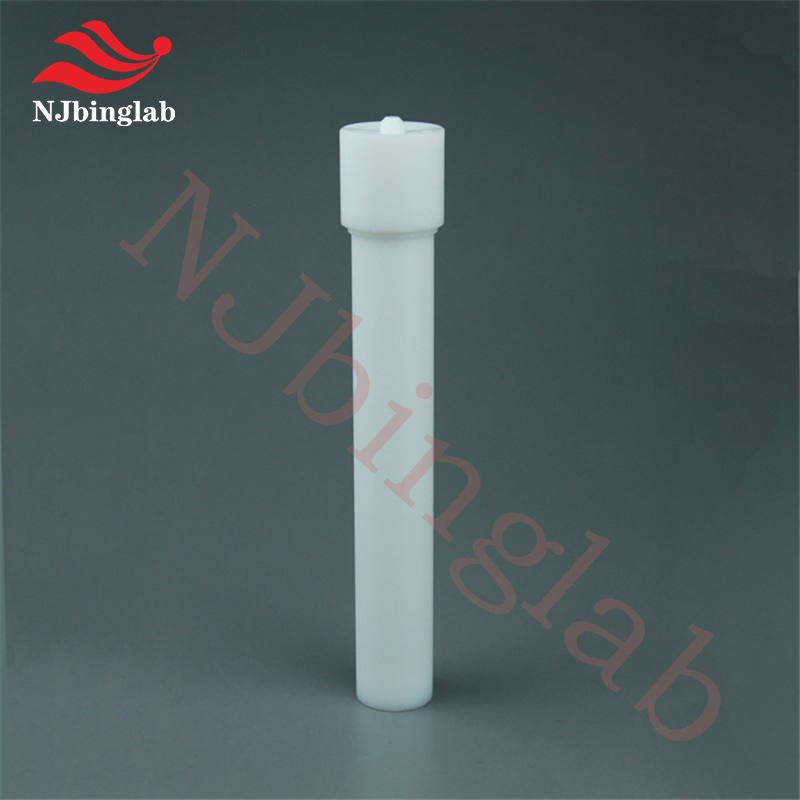
Tell us about your requirement

Price:
Quantity
Select Unit
- 50
- 100
- 200
- 250
- 500
- 1000+
Additional detail
Mobile number
Email

More Products in Clean Sample Preparation Accessories Category
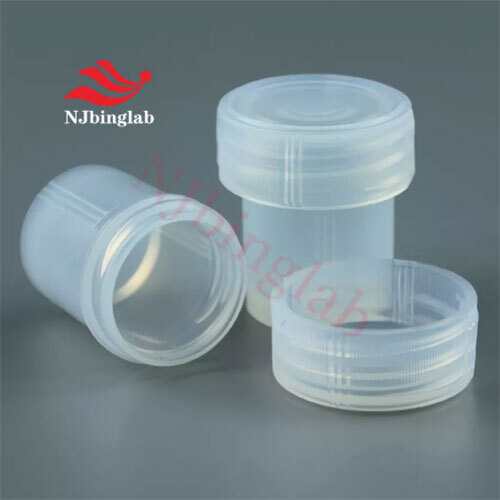
15ml PFA Vial with Screw Cap
Price 19.0 USD ($) / Piece
Minimum Order Quantity : 10 Pieces
Material : PFA
Feature : Chemically inert to most acids, bases, and organic solvents; Leakproof screw cap; High thermal stability.
Advantage : Minimizes sample contamination and loss; Suitable for trace analysis and highpurity applications.
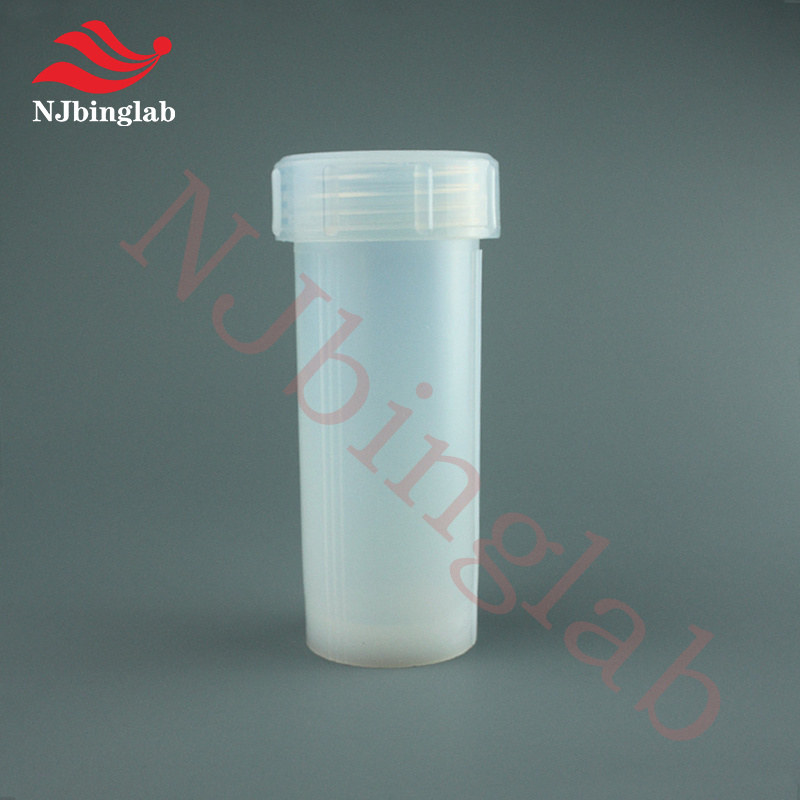
PFA jar 180ml, U/V/flat bottom, with screw cap
Price 80.0 USD ($) / Piece
Minimum Order Quantity : 3 Pieces
Material : PFA
Feature : Corrosion resistant
Advantage : No adsorption
Usage : Lab use
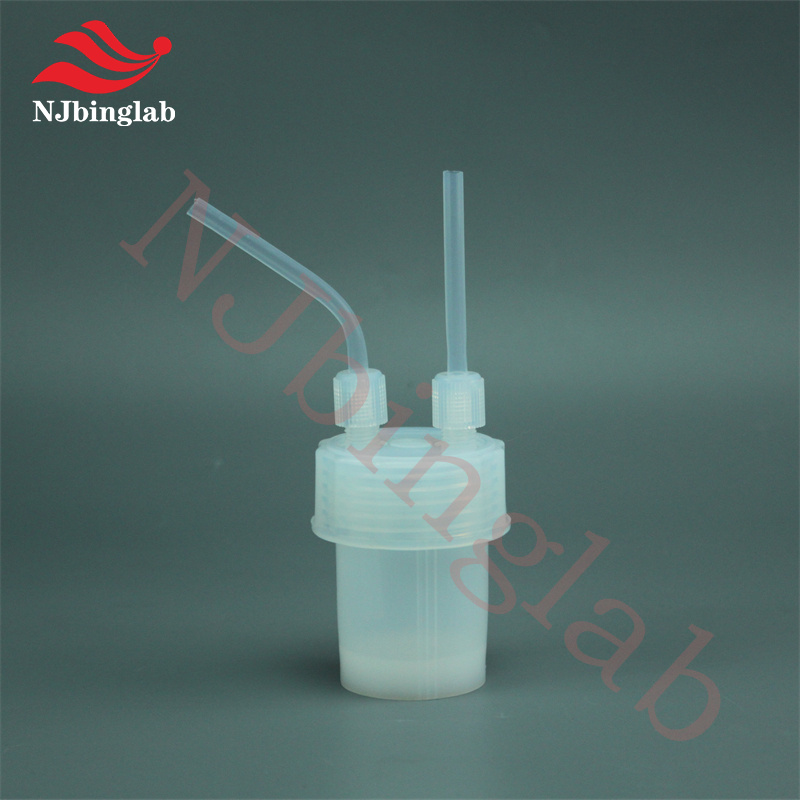
PFA Dual-Neck Impingement Bottle 90ml, with 1/4" tube port
Price 110.0 USD ($) / Piece
Minimum Order Quantity : 3 Pieces
Material : PFA
Feature : Corrosion resistant
Advantage : No adsorption
Usage : Lab use
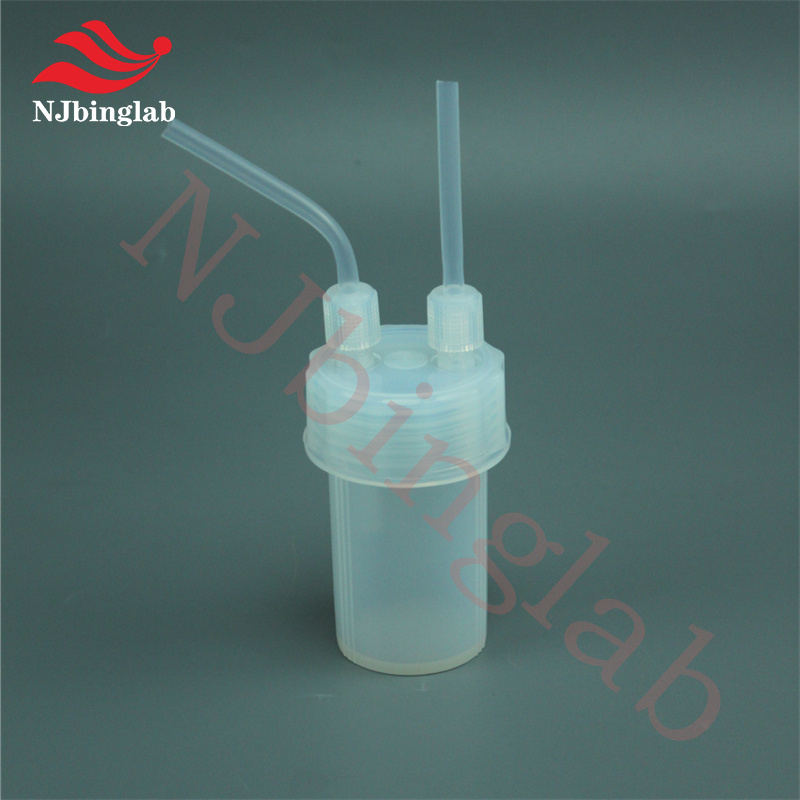
PFA Dual-Neck Impingement Bottle 120ml, with 1/4" tube port
Price 100.0 USD ($) / Piece
Minimum Order Quantity : 3 Pieces
Material : PFA
Feature : Corrosion resistant
Advantage : No adsorption
Usage : Lab use

Contact Details

- 301, Building 10, Baijiahui Innovation Community, Xuanwu District,Nanjing - 210042, Jiangsu, China
- Phone : 86--15805176994
- Ms Ross Guo (Manager)
- Mobile : +8615805176994
- Send Inquiry
 Send Inquiry
Nanjing Binzhenghong International Trade Co., Ltd.
All Rights Reserved.(Terms of Use)
Developed and Managed by Infocom Network Private Limited.
Developed and Managed by Infocom Network Private Limited.
 English
 Spanish
 French
 German
 Italian
 Chinese (Simplified)
 Japanese
 Korean
 Arabic
 Portuguese